.jpg/1920 "Through the Landscape around Tišnov: To the Pernštejn Castle by Bike")
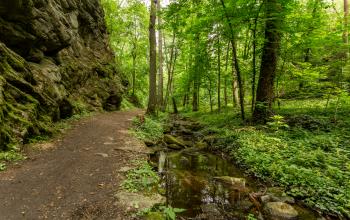
Scenic views, gemstones, the romantic valley of a trout river, churches, the Porta Coeli Convent and the Pernštejn Castle. And small breweries along the way, which will quench your thirst.
21.6 km
1:45 hours
387 m
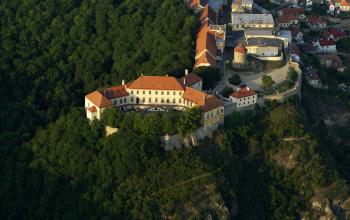
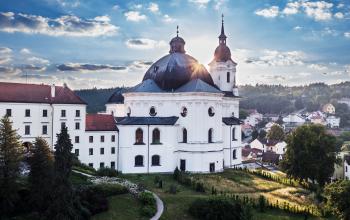
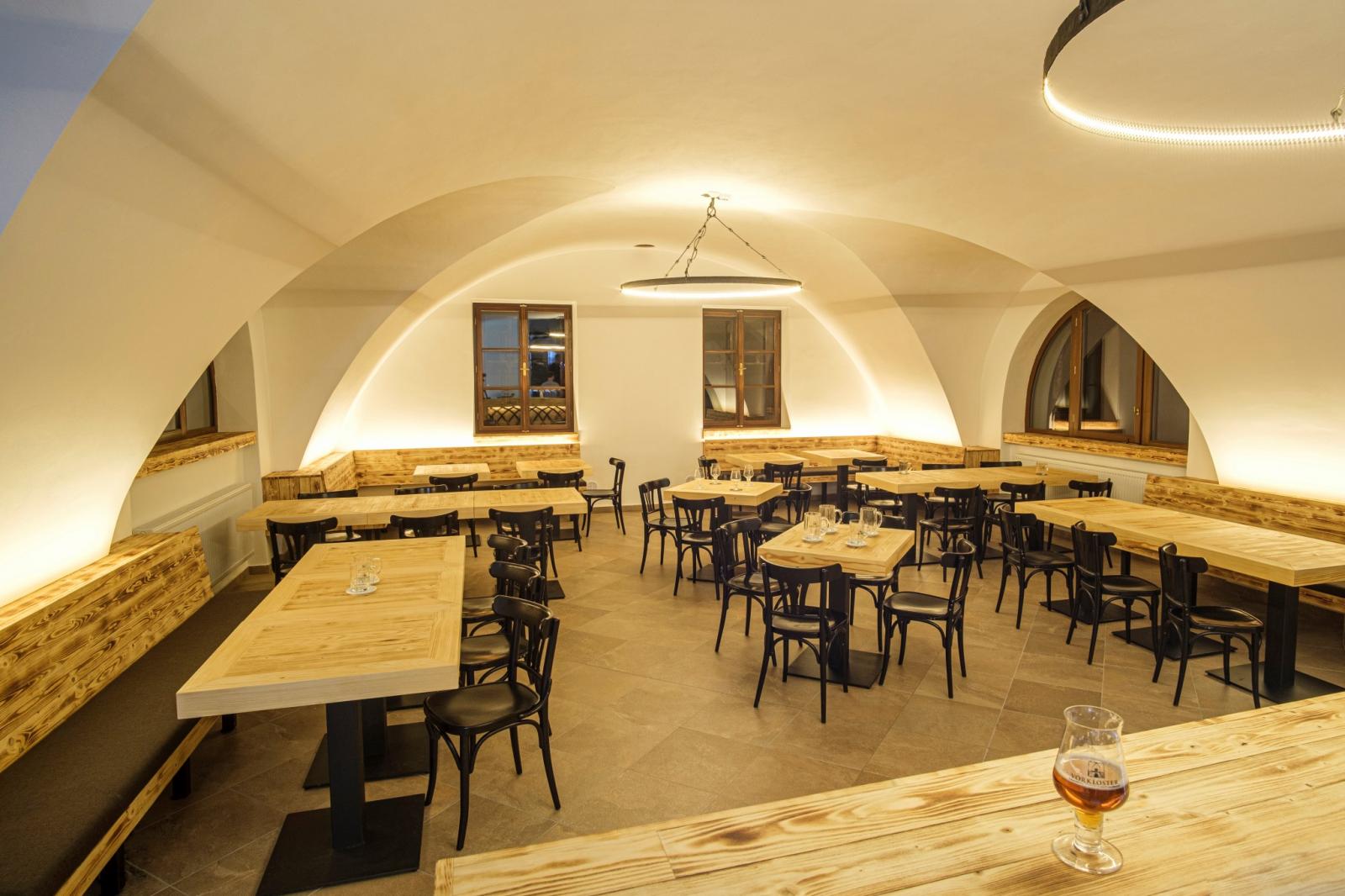
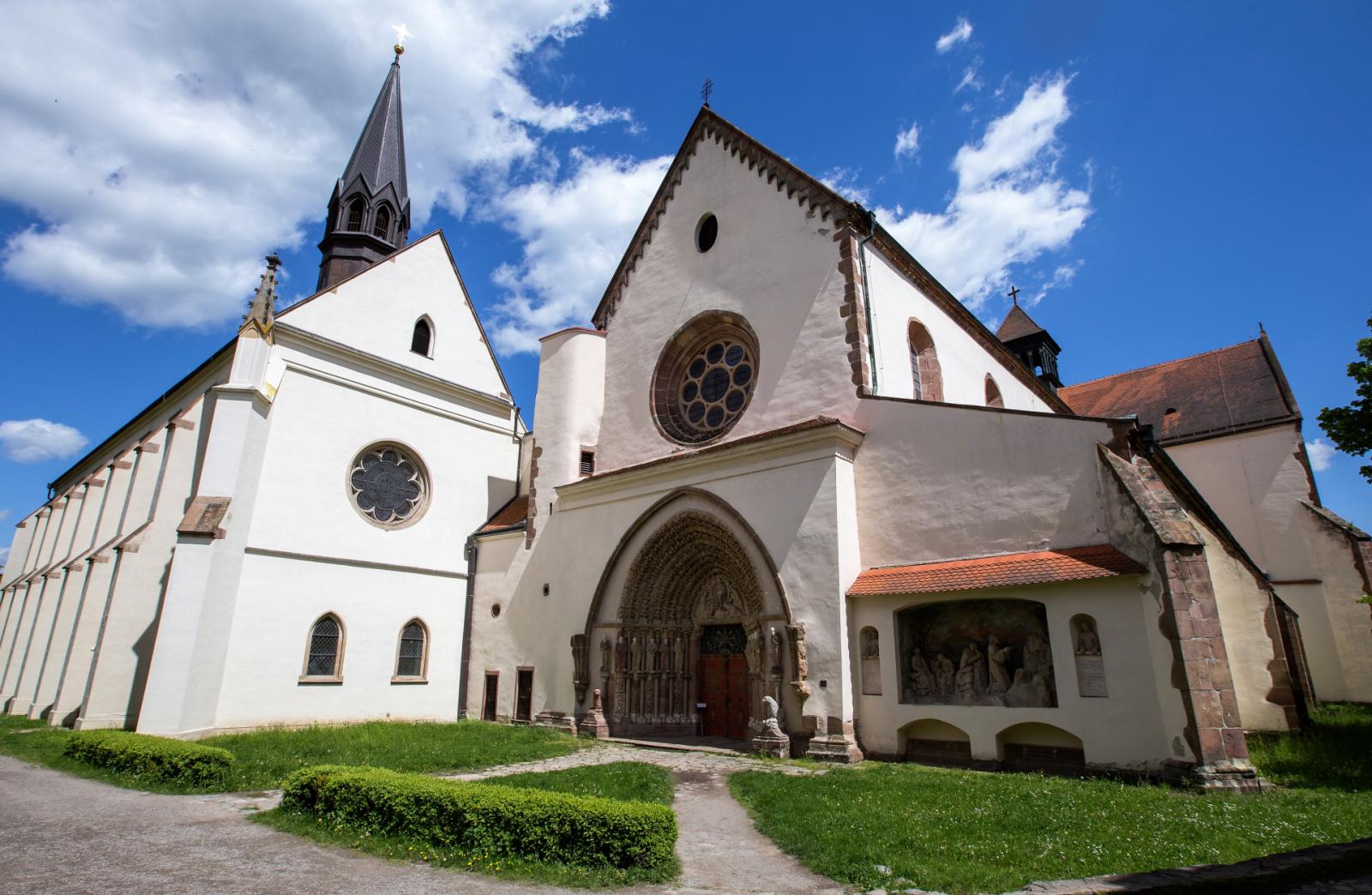
Start at the railway station in Tišnov and follow the Tišnovsko bike trail to the first magnificent stop. Here you can touch walls dating from the times of the Přemyslid family. The Porta Coeli Convent, also known as Heaven’s Gate, was founded in 1233 by the widow of King Otokar I of the Přemyslid dynasty. Not only is the convent a refuge of faith, you can also find a cosy café and the local brewery with a beer hall in it. A virtual tour of the church, which is not accessible to the public, is offered by the local Podhorácké Museum.
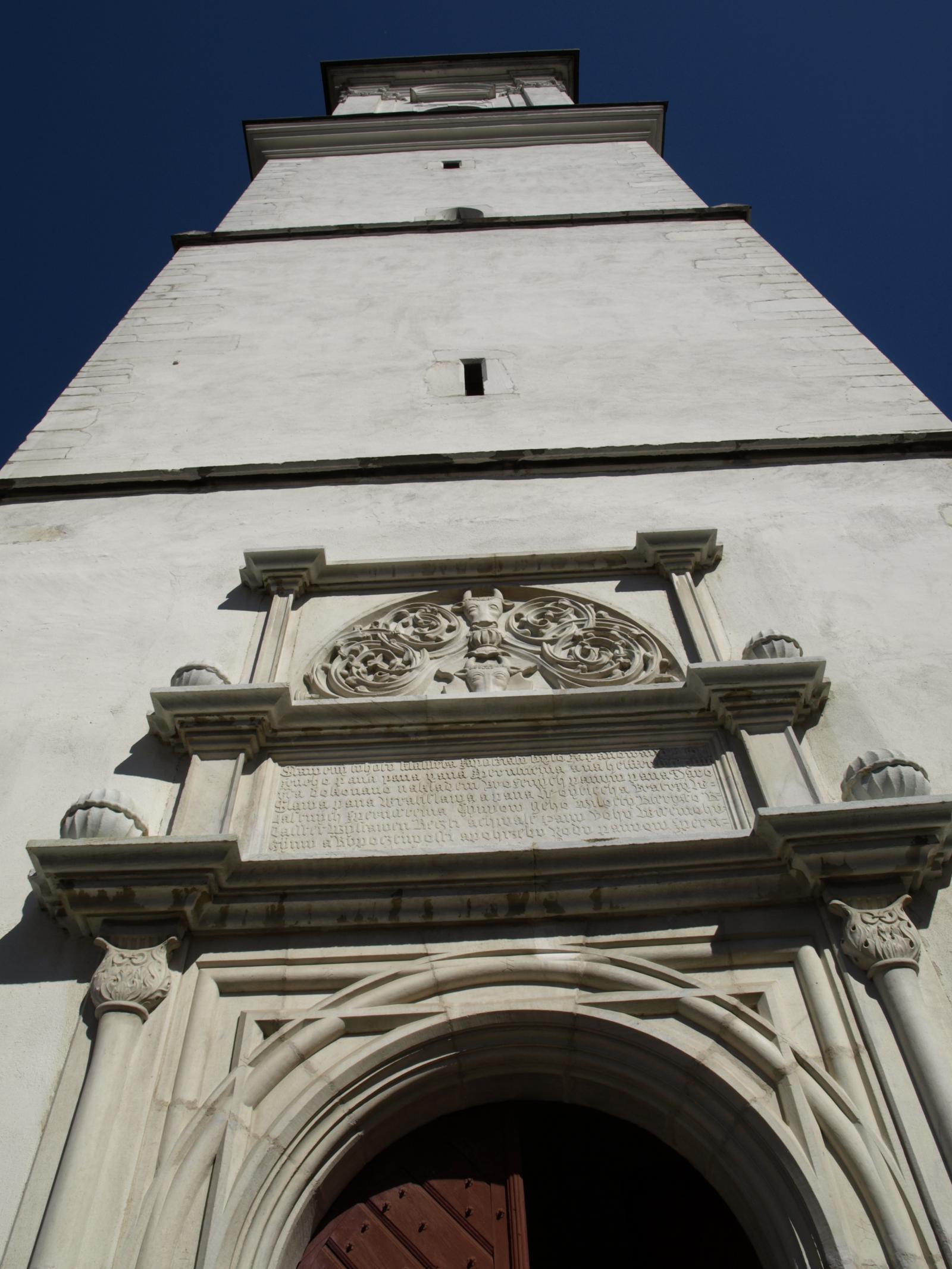
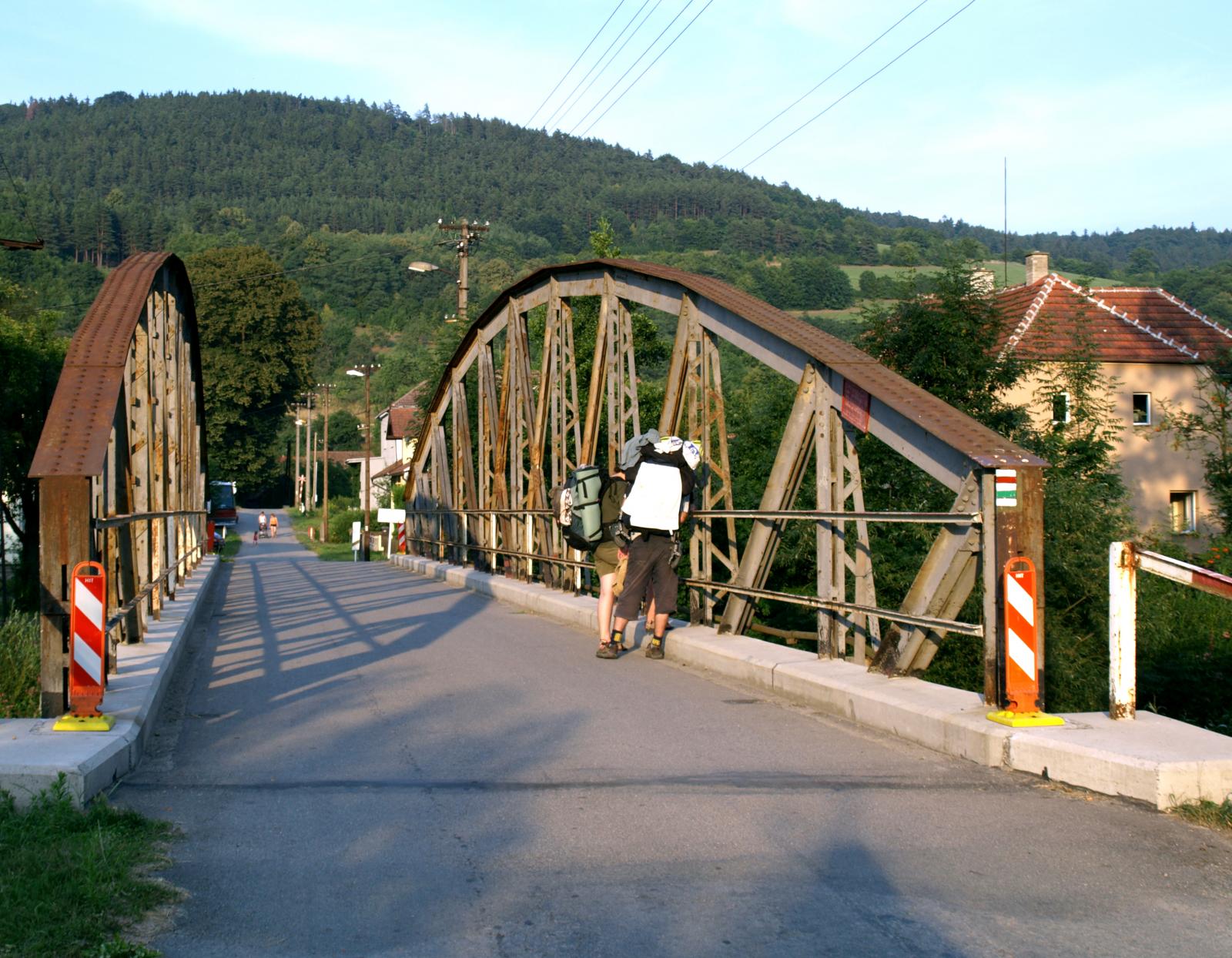
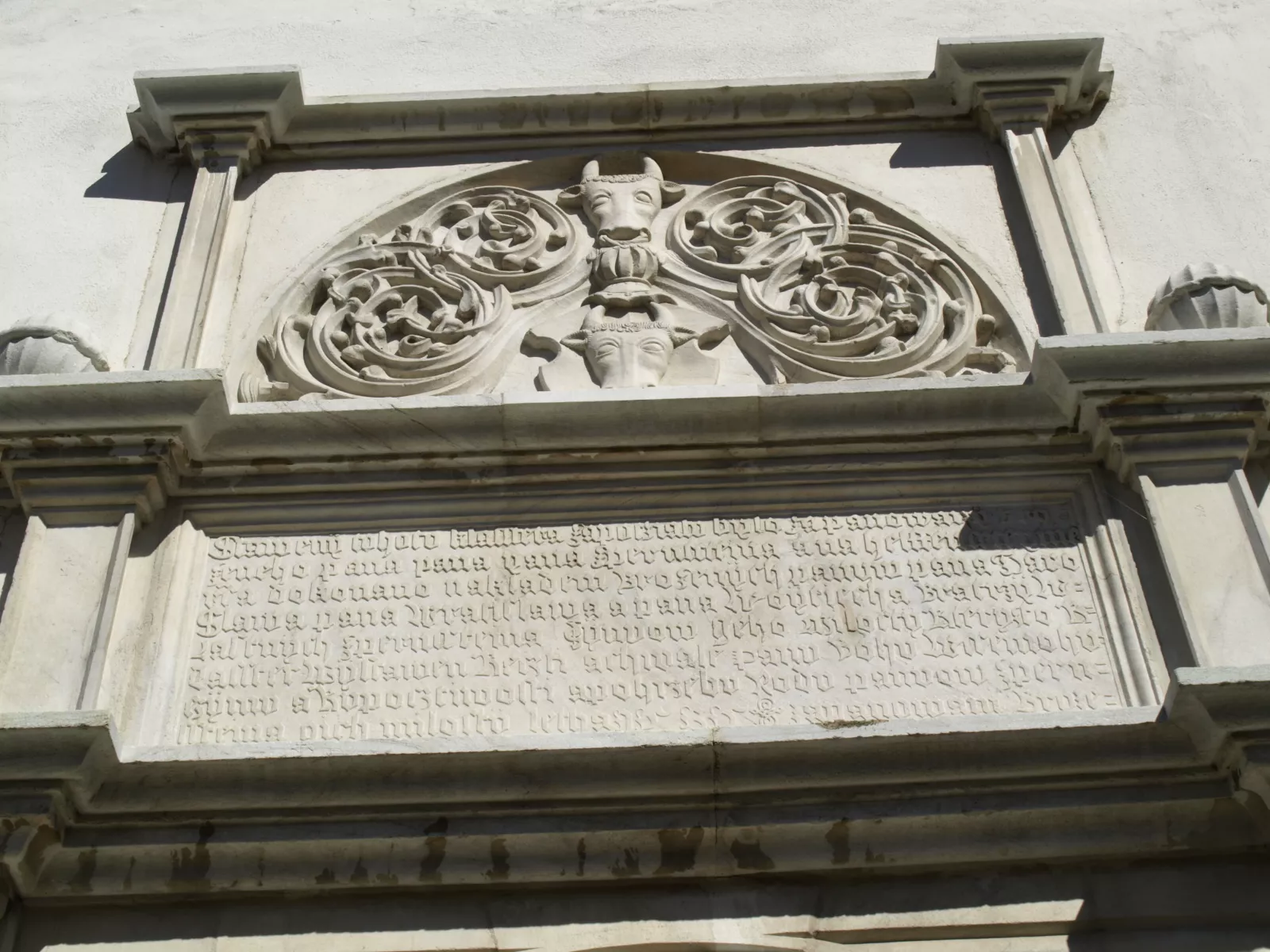
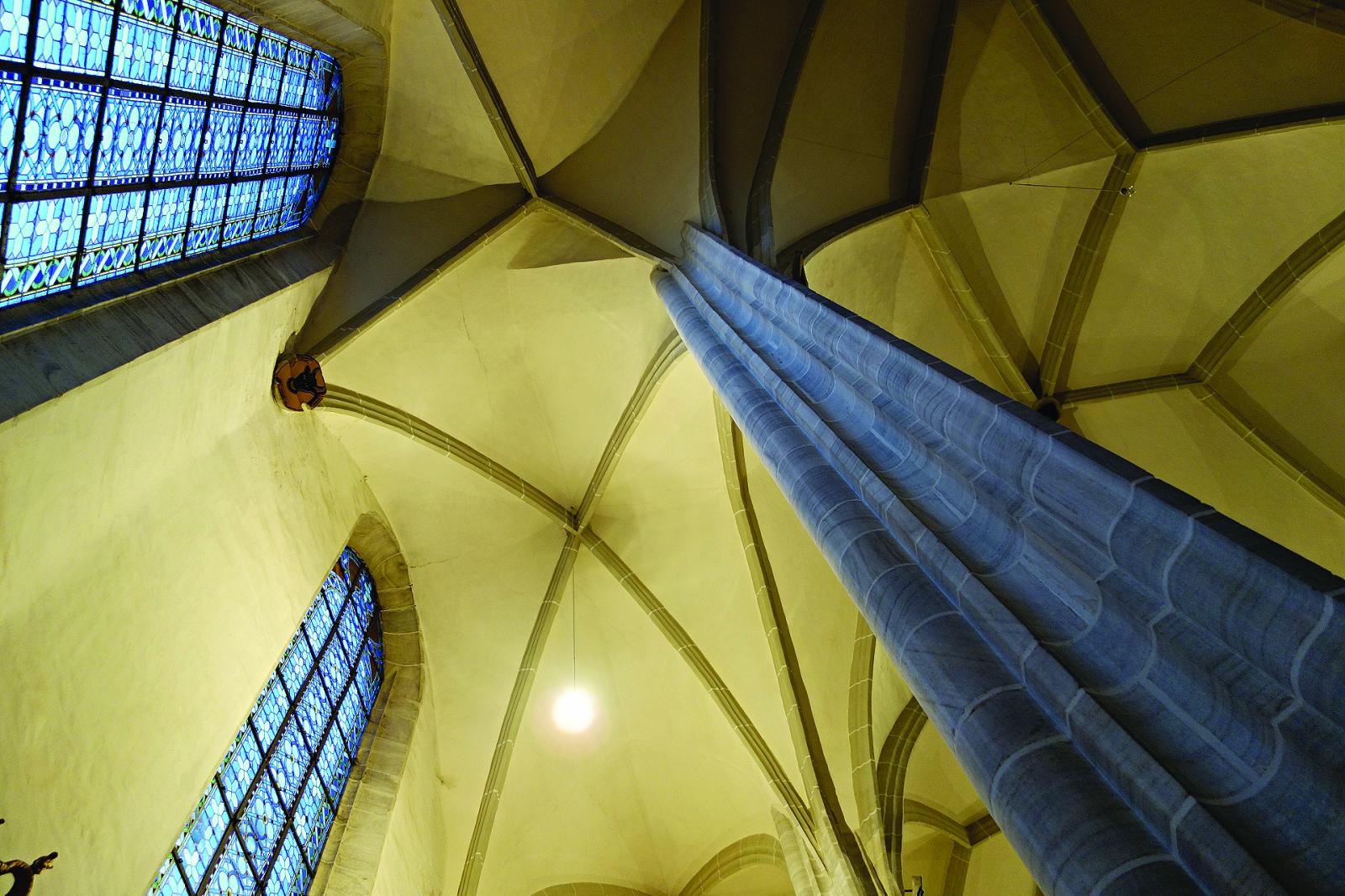
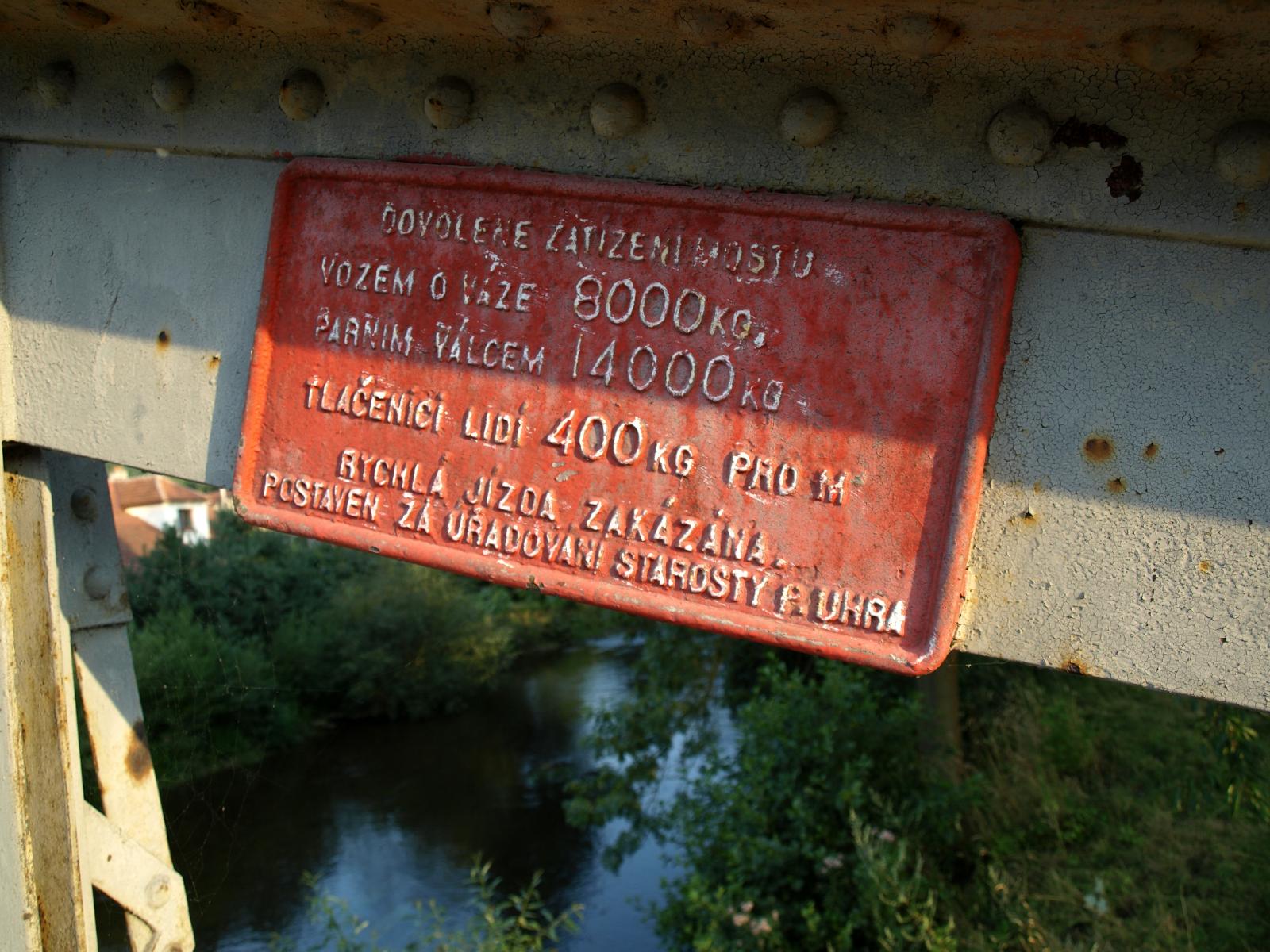
Continue towards Štěpánovice and Borač, where an historic arch bridge from 1910 can be found. The beautiful landscape around the banks of the Svratka River will guide you to Doubravník. If you are parched, you can look forward to local beer from Doubravník at the U Sedláčků restaurant. You can see the tomb of the Pernštejn and Mitrovský families situated in the Church of the Exaltation of the Holy Cross in this picturesque village. A large part of this sacred monument is built from the high-quality white marble which was mined for centuries in Nedvědice not far away. The functioning organ in the church represents a jewel of Baroque craftsmanship!
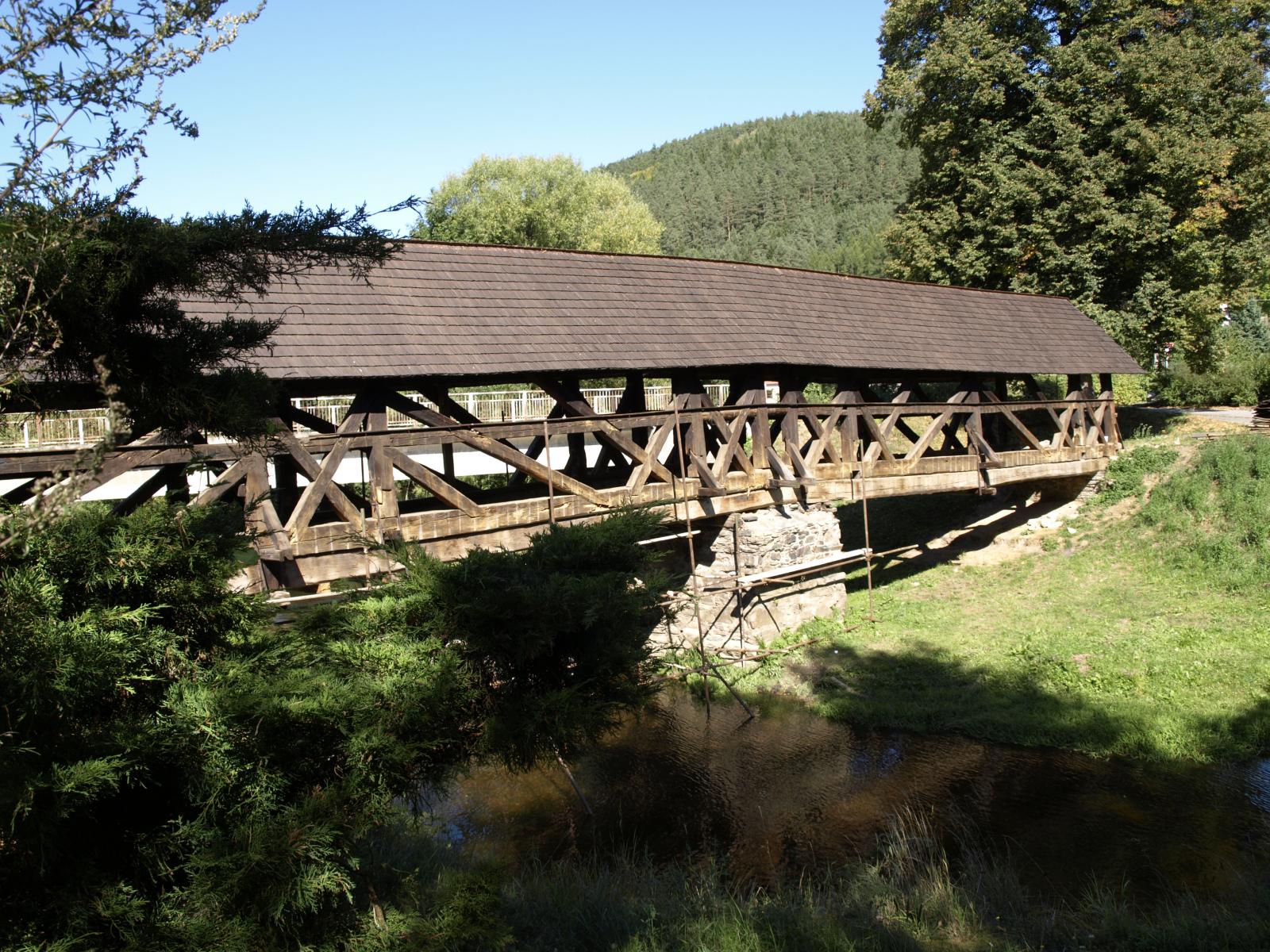
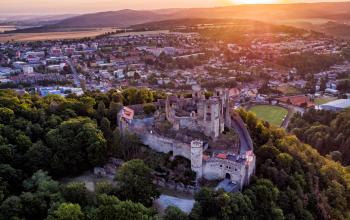
Join the Pernštejn nature trail and after a while you will admire the covered girder bridge near the village of Černvír. Built in 1718, it is a precious technical monument. The red tourist marking will lead you to the information centre in Nedvědice. Go inside, the silver coin treasures and historical marbleworking tools are worth it! The famous Pernštejn Castle is the highlight of the trip. This fairy-tale castle has appeared in over fifty films. Built in the Gothic style by the Lords of Pernštejn and modified in the spirit of Romanticism by the lords of Mitrov in the 19th and the 20th centuries, it is still an alluring and living witness to history.
We have found other places you might like. Have a look at them.
found 12 trips
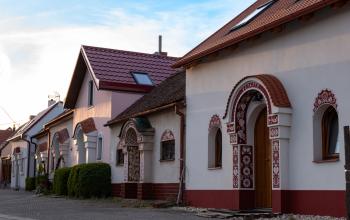
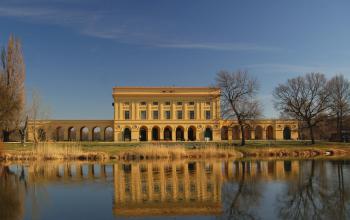
What did Jewish quarters look like in Czech towns? Where is the beautiful Empire chateau situated? Welcome to Boskovice. Köhn, keep going, you will not be bored here!
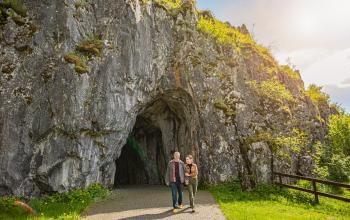
Planning a trip to Macocha? Well, sure, it is the most famous Czech cave, but you should know that the Balcarka Cave in Ostrov u Macochy is the most beautiful cave in the whole Moravian Karst. The maze under the Balcar Rock stands out for its extremely rich and colourful dripstone decoration.
Test your level of physical fitness in the Gránické Údolí (Gránické Valley). The rewards are right here: views and proper beer from the municipal brewery!
Where should you take the kids to see nature and learn something new? Try this undemanding route with Hugo the Salamander on foot, by bike, by kickbike or with a pram.
A miraculous statuette of the Madonna, an admirable work of J. B. Santini and an anti-nuclear bunker – head for Křtiny for many different experiences!
Coming here just for an afternoon outing would be like trying to travel North America in a week. The Hodonín region is a perfect destination for a whole weekend, whether you are a couple in love or a large family.
Set out for beautiful floodplain forests and the largest enclosure in the Czech Republic to explore the life of the ancient Slavs. You will get a perfect rest from the hustle and bustle of the city and from smog.
For families with children, beginners and for experienced boatmen looking for calm and safe waters, the Dyje River has something to offer to everybody.
Remember from school how Neanderthal man hunted mammoths? Do you know what wine from Baroque cellars tastes like? Raise your expertise in Pálava!
A little tasting of the Tišnov Beer Trail or a relaxing bike ride not only for beer lovers!
Visit the easternmost part of South Moravia, the region where traditions are still alive. The folk heritage is cherished here and its beauty is passed on to children so that it does not cease to exist and so that you, too, could be enchanted by it.
Are you looking forward to summer? To start pedalling and whizz through the landscape, swim in clean water and walk along a chateau promenade? Such a varied range of options is available at the Křetínka Reservoir.
.jpg/1600)