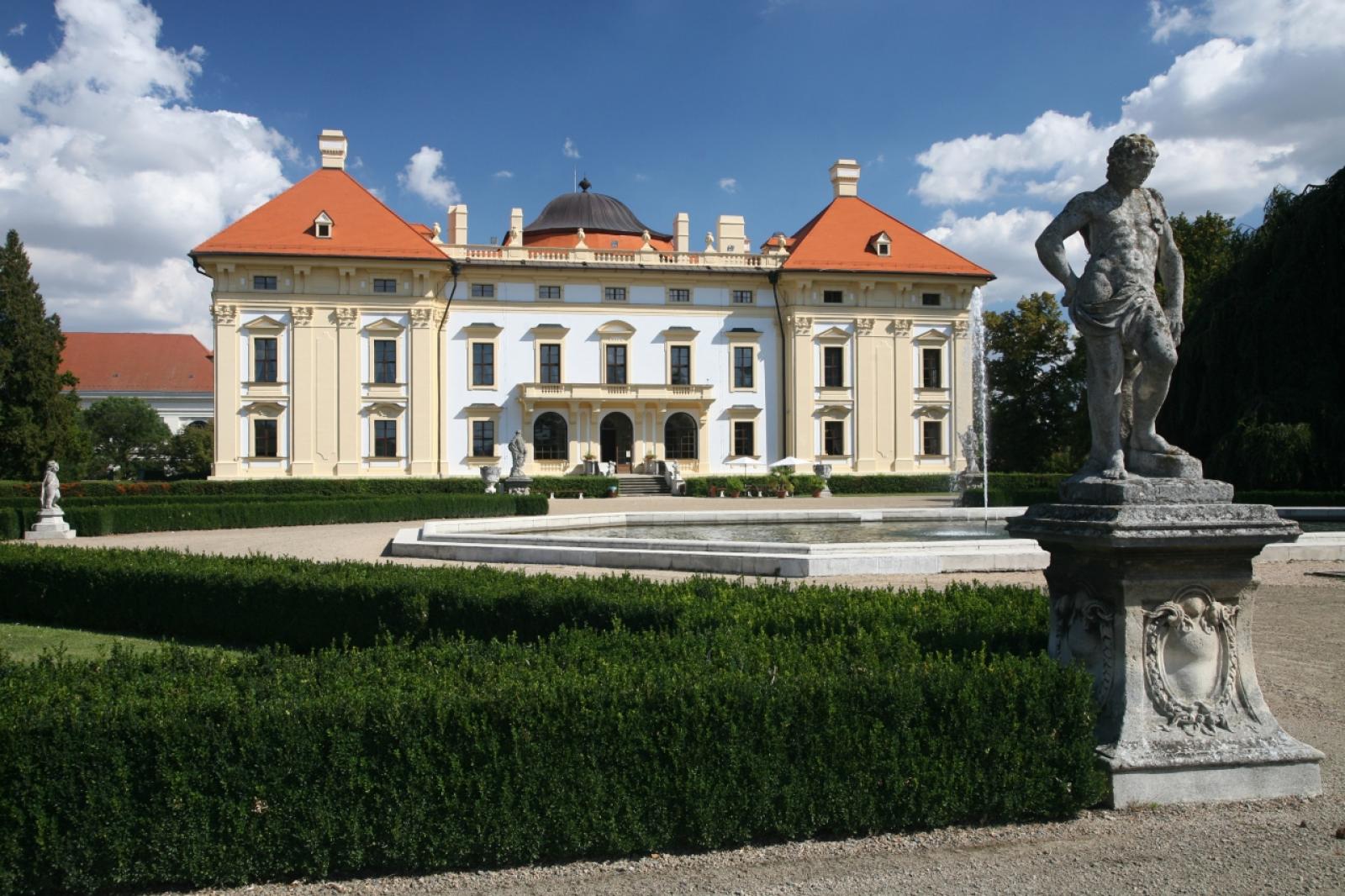
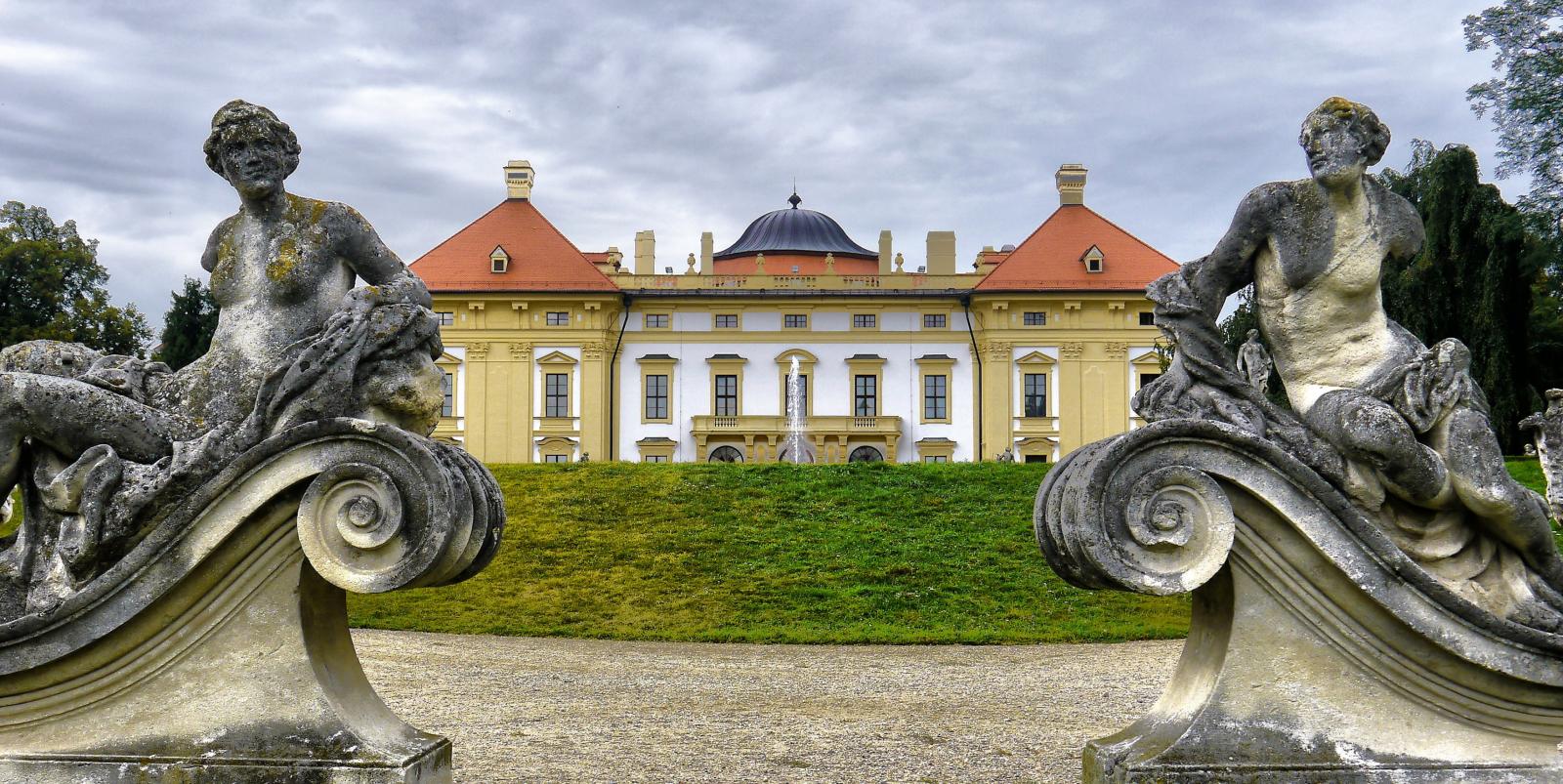
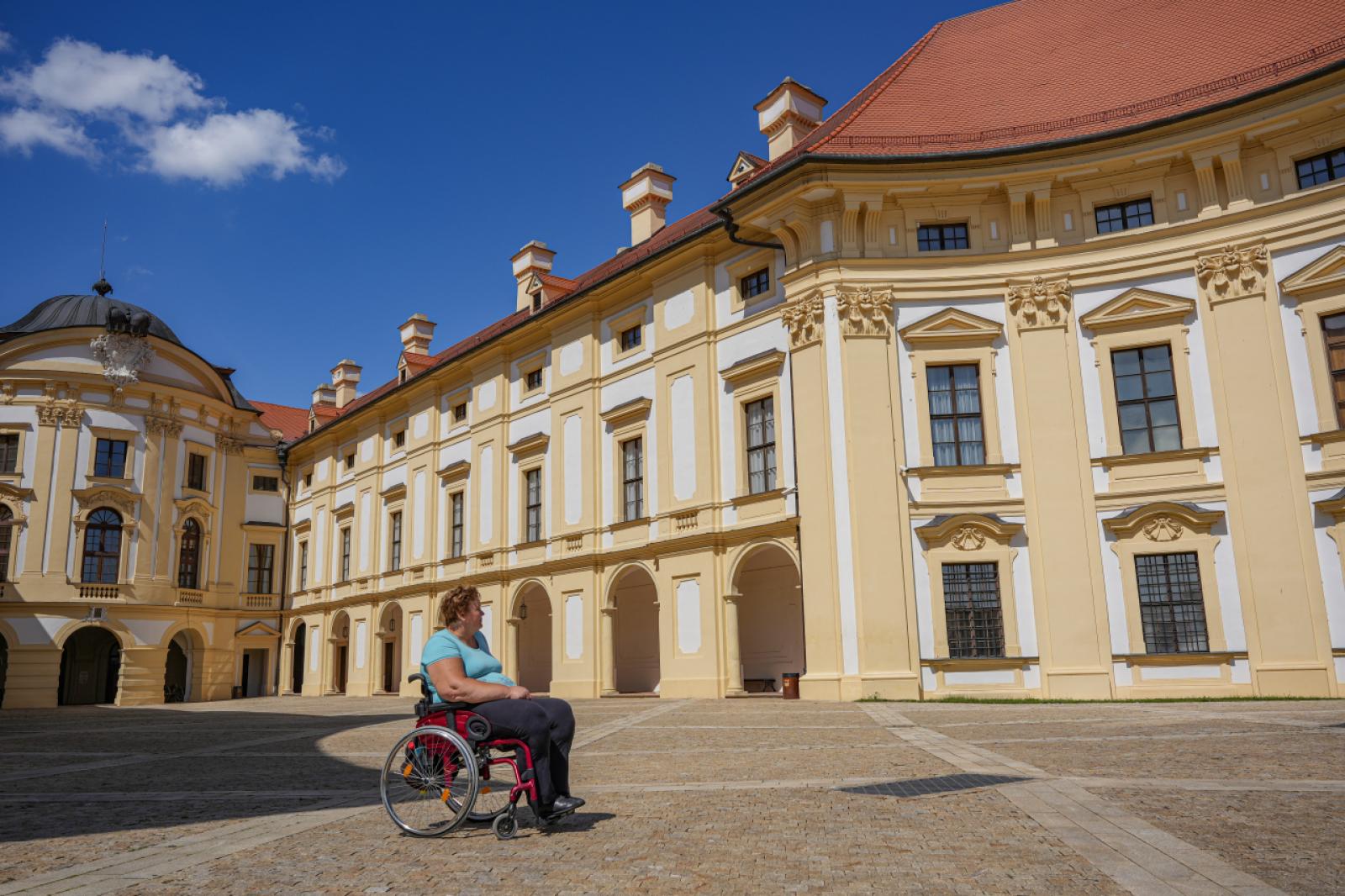
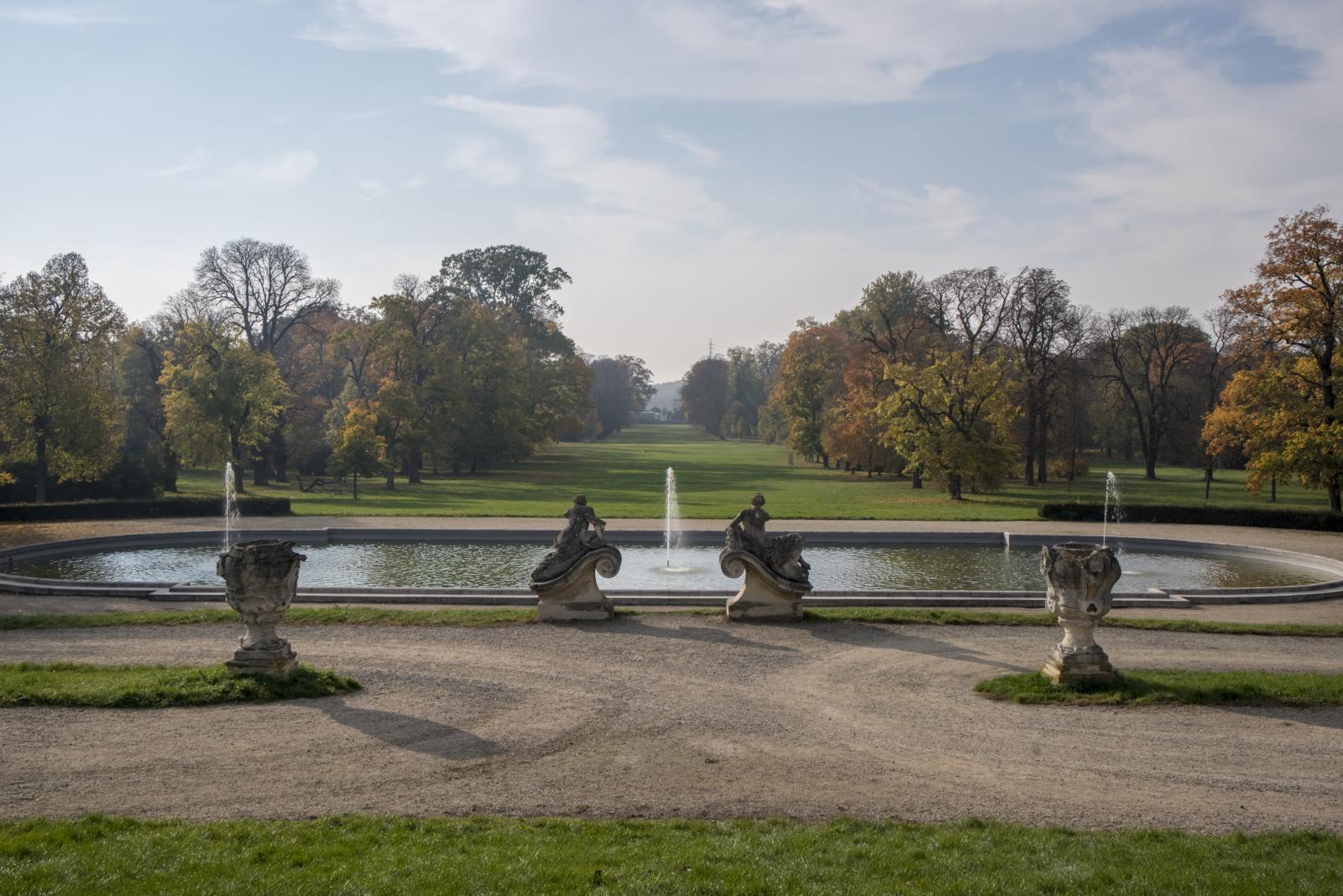
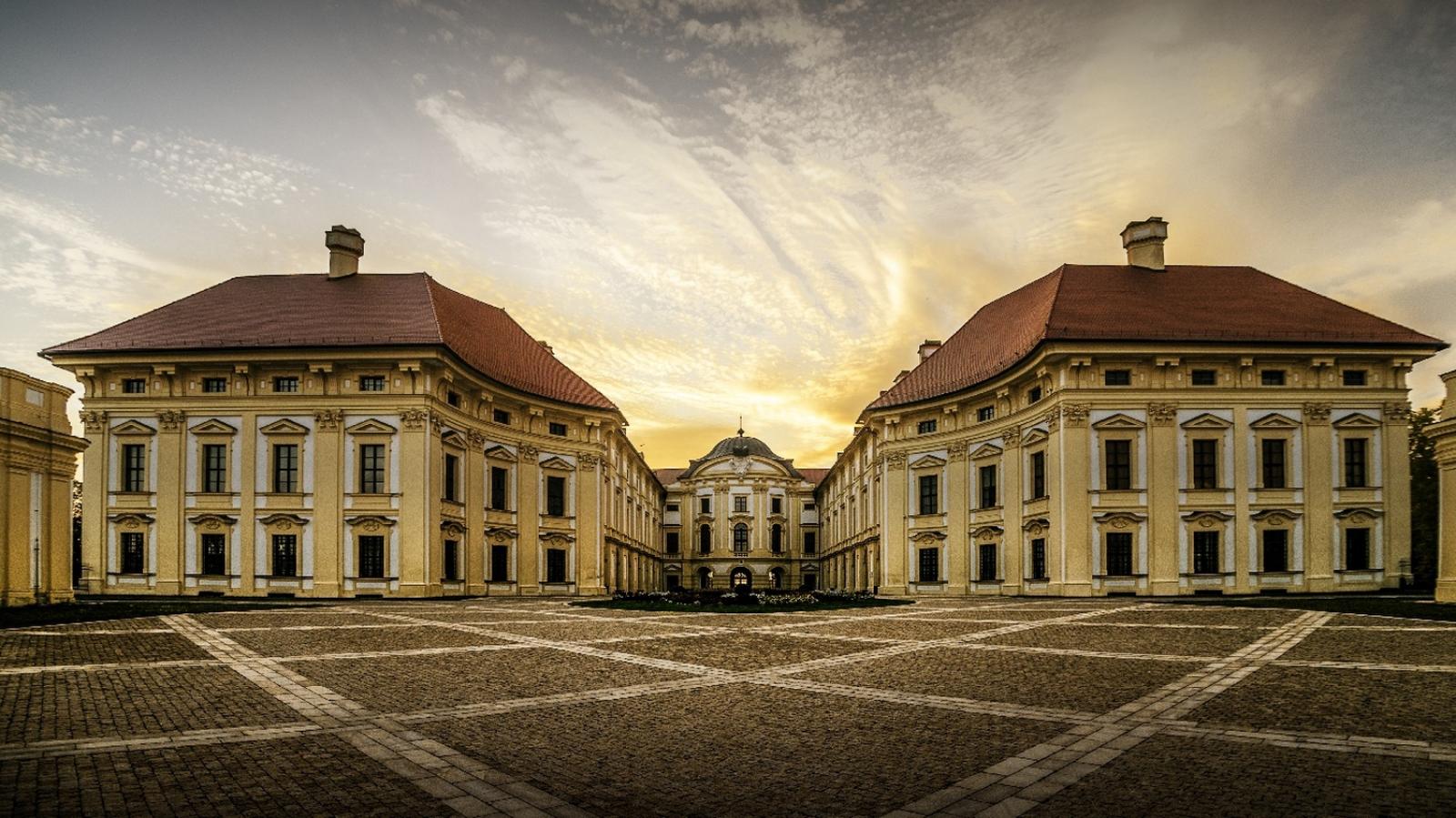
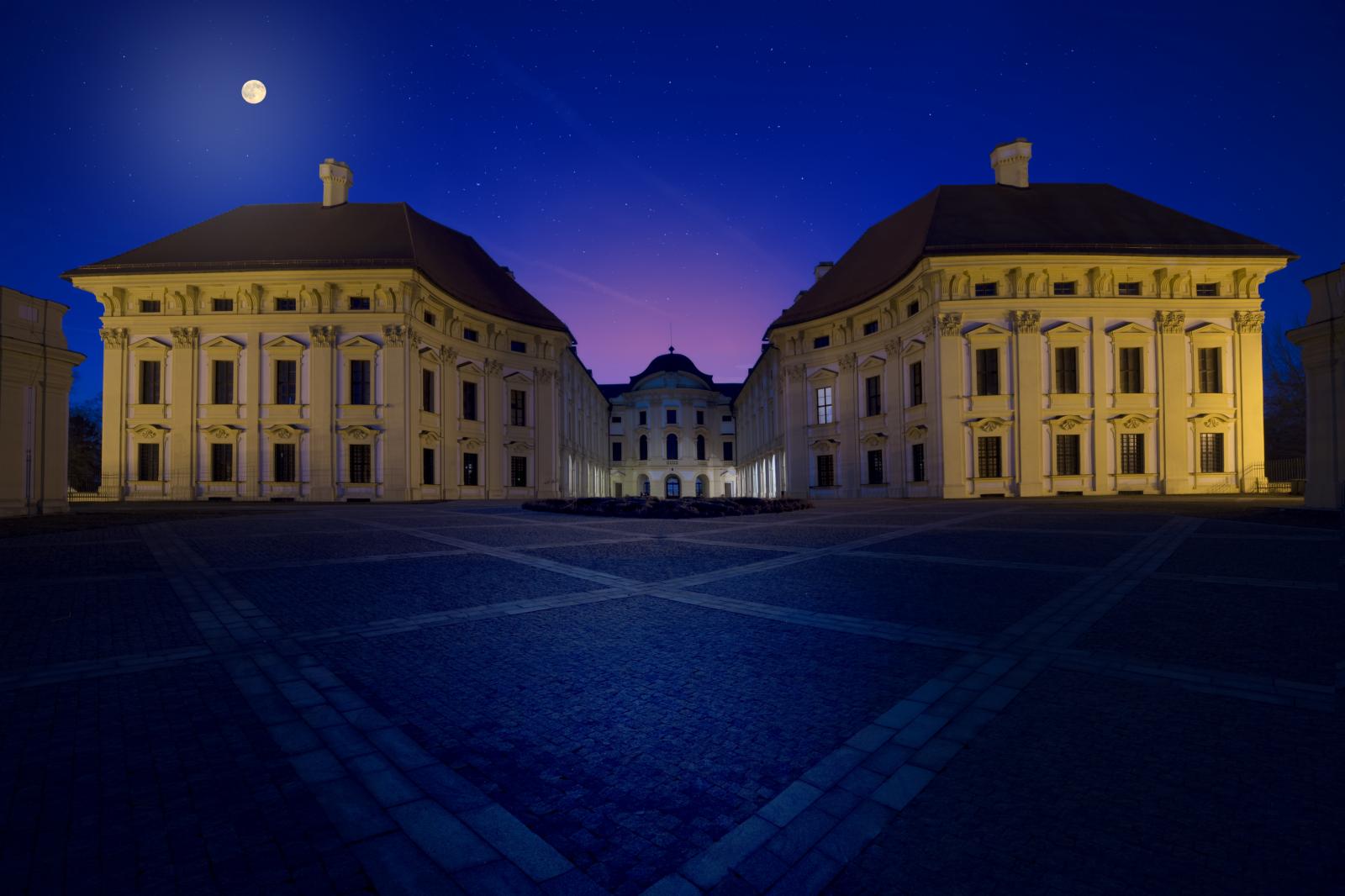
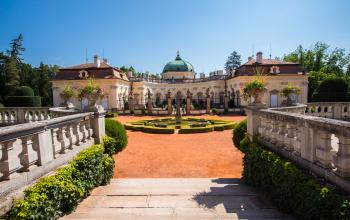
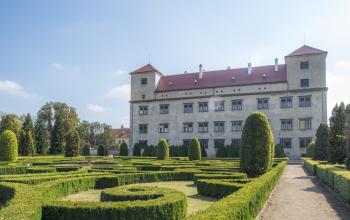
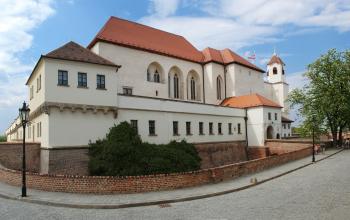
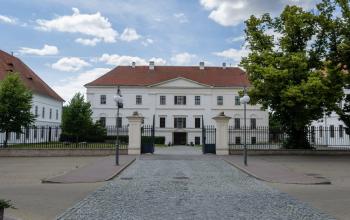
A beautiful chateau, and a beautiful chateau park behind it. Not only during the Napoleonic era was it worth coming here.
The residence of the famous Kounic family was built at the turn of the 18th century. Back then, a great park in the fashionable style of French Baroque gardens was already a part of the area. However, it is still one of the most important examples of historic greenery in Moravia. You will also find a public six-hole golf course here today.
The castle interiors are full of chic frescoes, stucco, art sculptures and paintings. In the interior beauty competition the first places are taken by the Hall of Ancestors, Rubens Hall and the Chapel of the Holy Cross. The central oval Historical Hall is quite exceptional; here a truce was made between France and Austria on the memorable date of 6 December 1805. A striking detail of this vast room is its acoustics. When the hall was built, it was felt it was important not to hear the deliberations of the individual groups of people during important political negotiations.
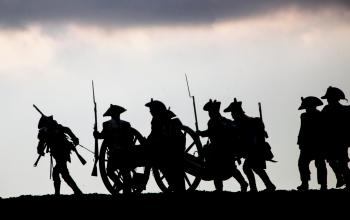
Before the Battle of Austerlitz, the Allies, the Austrian Emperor Francis I and the Russian Tsar Alexander I, stayed at the castle and after the battle, on the other hand, the French Emperor Napoleon I stayed there. Well, every dog has its day. This period is commemorated by a vast exhibition in the historical museum in one of the castle’s wings.
The chateau building literally encourages making exhibitions – during the season, the airy spaces are filled with displays of glass, ceramics, flowers, paintings, jewellery, bobbin lace, Christmas or wine exhibitions.
In the hot summer, cool down below ground on the two floors of the castle’s cellar. You will walk through connecting corridors, stairs, a bakery, a torture chamber… and the remains of a medieval fortress of the Teutonic Knights.
We have found other places you might like. Have a look at them.
found 12 places
This body of water is fun even for obstinate landlubbers and non-swimmers! You won’t see jumping dolphins but you will get to discover the sights around and taste the delicacies of the region.
The pearl of South Moravia, one of the most visited places in the country, a UNESCO gem. And with a bunch of other tourist attractions around it.
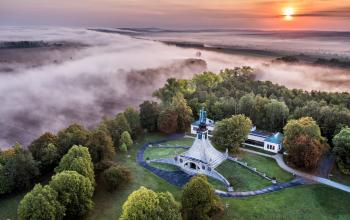
Homage to all victims of the bloody conflict was paid here for the first time in Europe. Come and honour the lives lost in the battle...
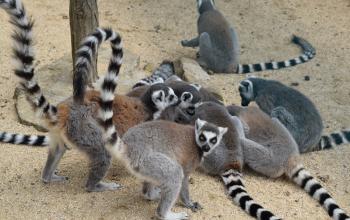
The only Czech zoo of its kind, Zoo Park Vyškov mainly breeds domestic and farm animals from all over the world. But definitely not just those...
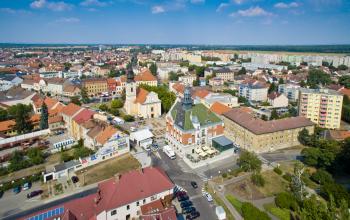
A sunny spa town in the heart of the Moravian Slovakia with a relaxing zoo, pleasant atmosphere and a sense of First Republic history.
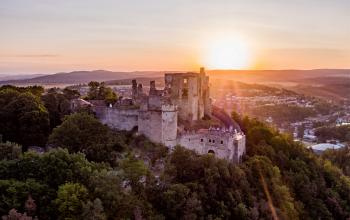
The ruins of a castle does not necessarily mean that the place is in ruins! This is definitely true of the castle ruins in Boskovice.
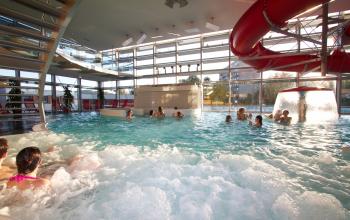
This water park with several swimming pools, a water slide and a fitness room offers perfect facilities for quiet relaxation, such as regeneration treatments and a sunbathing terrace.
One of the landmarks of the battlefield of the famous Battle of the Three Emperors, where you can truly absorb the atmosphere of the events of the memorable year 1805.
How about a picnic in one of the most beautiful chateau gardens in the Czech Republic?
Genuine Italian refinement. The noble arches of the arcade courtyard trill like notes in an operetta, the fountain sings a romantic aria. Bella, bella!
One of the main landmarks of Brno, with its famous dungeon and summer amphitheatre, and a great place for a stroll overlooking the city. Welcome to Špilberk, or Špilas as the locals call it.
Formerly a Gothic castle and a Renaissance chateau today, this dominant feature of the town of Rosice rises atop a hill. It is home to a toy museum and an anti-nuclear shelter