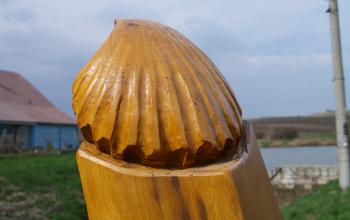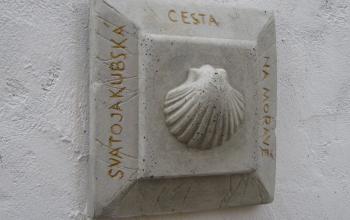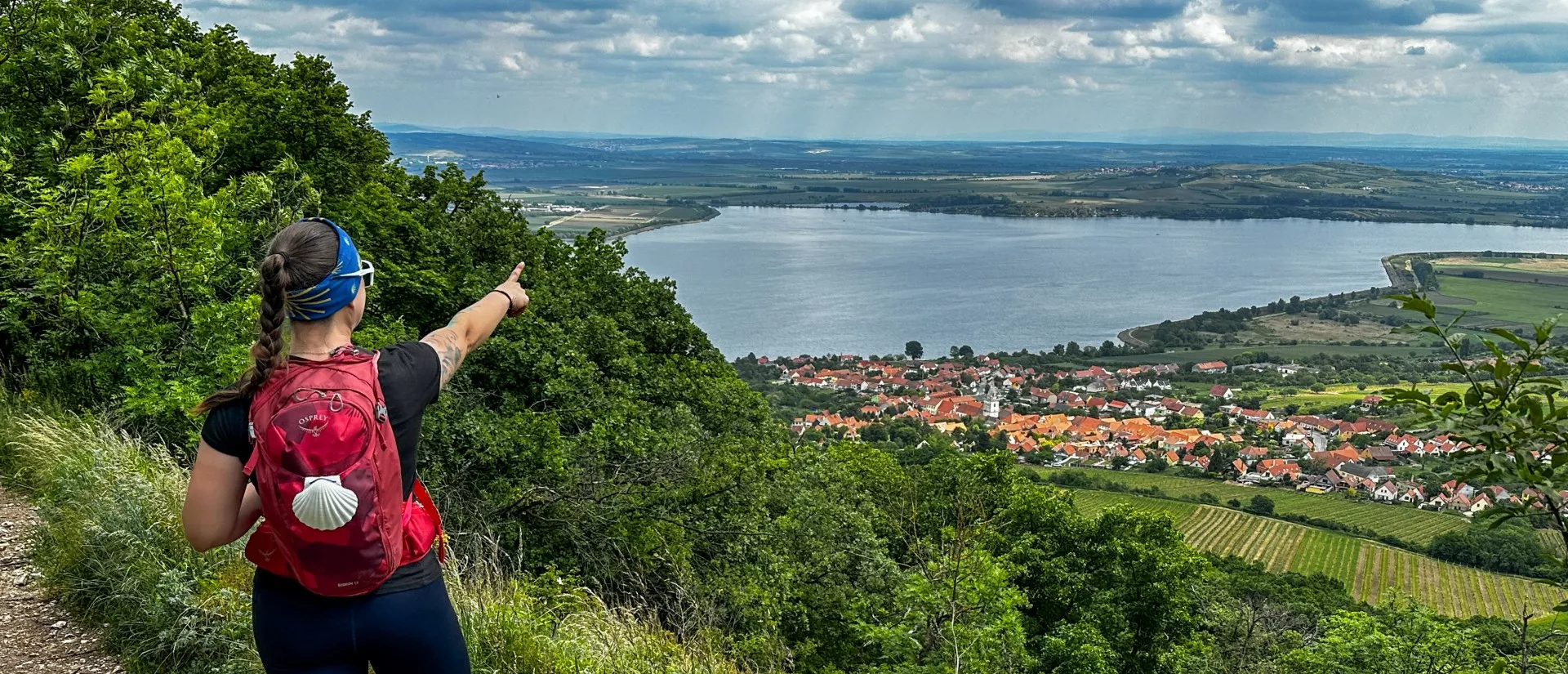
The ways of St James are immensely popular across Europe, and the network continues to expand in many countries. We have prepared an overview of the current state of the European Camino network for you.
The Way of St. James leads from many parts of Europe to the Spanish coast, to Santiago de Compostela. In the Middle Ages, pilgrims would continue from there all the way to the coast, to Finisterre—about one hundred kilometres away—considered at that time to be the end of the world (finis terrae).
Today’s classic Way of St. James begins in France, in the town of Saint-Jean-Pied-de-Port at the foot of the Pyrenees. However, access routes to the pilgrimage are marked from much more distant places in various countries. Like streams and rivulets, the Ways of St. James wind their way across the whole of Europe, converging in Spain. There, the main route—the Camino Francés—leads from the Pyrenees to Santiago de Compostela and further on to the already mentioned Cape Finisterre on the Atlantic coast.
The pilgrimage connects churches dedicated to St. James as well as other important sites of spiritual significance. Not all modern pilgrims are believers; for many, it is simply a personal spiritual journey. Each year, increasing numbers set out on this path.

.jpg/350x220)
.jpeg/350x220)