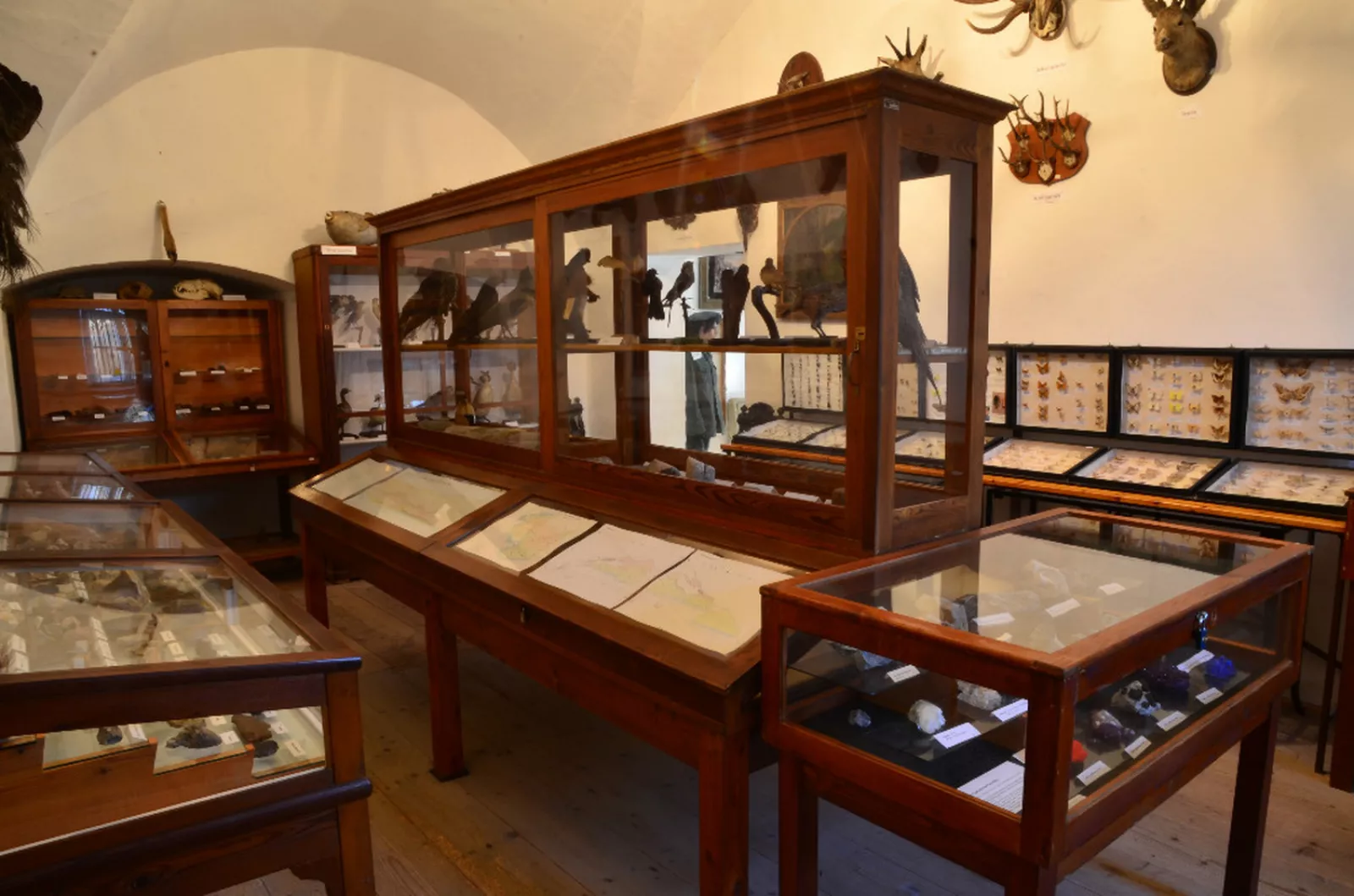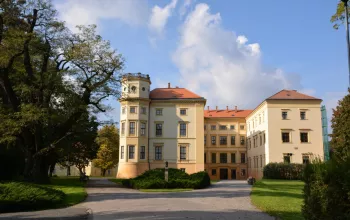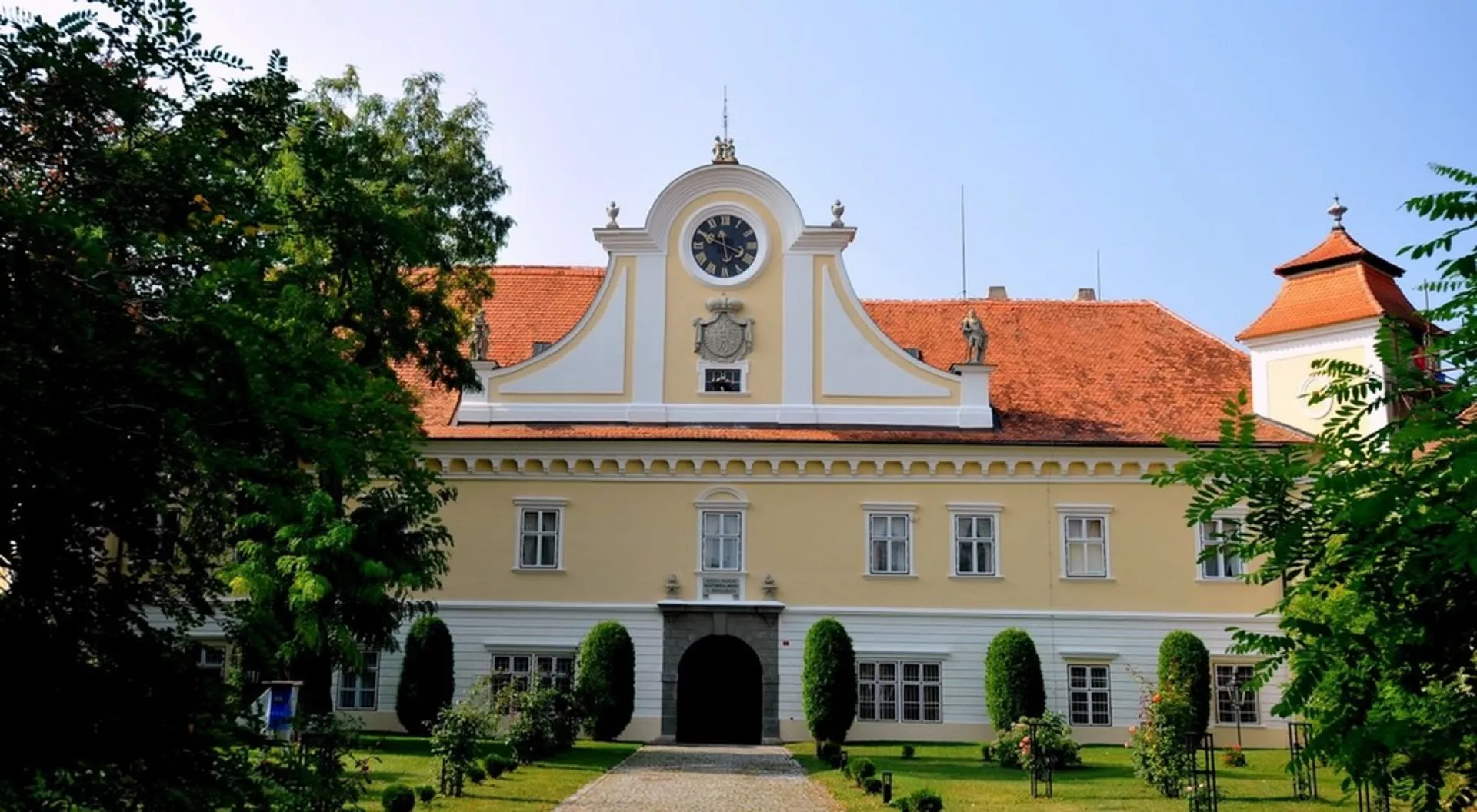
Collectors of all countries, attention please! You can see over six thousand exhibits in one place in this chateau.
The building of the Renaissance chateau itself is not open to the public, but the place is still definitely worth a visit. You can enjoy a romantic walk in the chateau garden and then go to the Vrbas Museum in the basement of the chateau. You should put some warm clothes in your backpack, because it is always cold in the chateau and seeing all the six thousand exhibits takes more than just a few minutes. On the other hand, the tour is quite refreshing in the hot summer.
Across eleven rooms visitors will find objects commemorating General Laudon, the original furnishings of the chateau interiors and of the chateau villa, moving models of water mills and wind mills, steam engines, medieval villages, and an original tower clock.
You can see Napoleonic, numismatic, archaeological, ethnographic, entomological, natural science, petrographic, ceramic, handicraft and guild collections. The exhibition also includes a chateau chapel. Who is the museum named after? It was founded by teacher and historian Jakub Vrbas. First, he made the collection available to the public in his own house, and since 1946 this exhibition, which was enriched with highly valuable items from the chateau and the chateau villa after World War II, has been situated in the chateau.
All displays are accessible for wheelchair users, but there is no barrier-free access to the premises of the chateau villa. Please note that dogs are allowed in this museum.
We have found other places you might like. Have a look at them.
found 12 places
Take a look around the vineyards from an unusual lookout tower without a single stair. You can get to the top of it even with a pram!
The pearl of South Moravia, one of the most visited places in the country, a UNESCO gem. And with a bunch of other tourist attractions around it.
A sunny spa town in the heart of the Moravian Slovakia with a relaxing zoo, pleasant atmosphere and a sense of First Republic history.
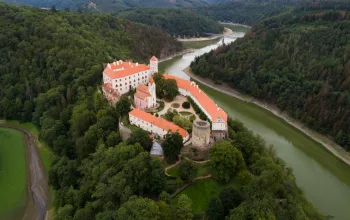
A large reservoir and a huge castle. Explore one of the largest Moravian castle areas within sight of Brno.
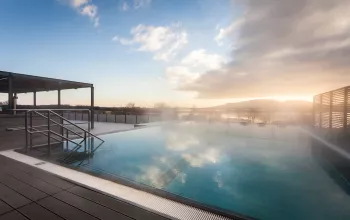
The largest swimming pool complex far and wide, water from a thermal source full of beneficial minerals, and the panorama of Pálava on top of that.
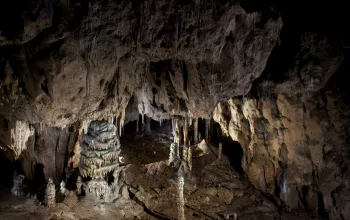
Where can you experience a parade of karst hits in one place? Right here! The longest cave system in the Czech Republic offers a choice of three routes. Which one will you choose?
The whole Strážnice area is alive with folklore and music, and that is why the local chateau is dedicated to folk music.
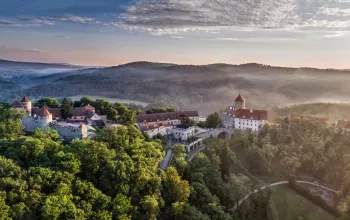
One of the oldest and most romantic castles in the Czech Republic. Instead of going up a steep hill, you will go down a steep hill to get to it. Can you believe it?
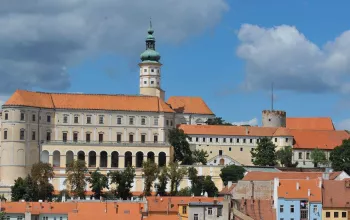
Even from a great distance this majestic castle will tempt all to come and visit it. No wonder Napoleon himself spent the night here.
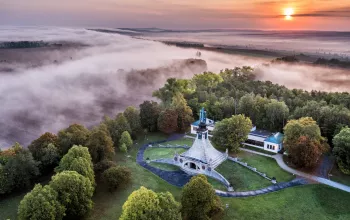
Homage to all victims of the bloody conflict was paid here for the first time in Europe. Come and honour the lives lost in the battle...
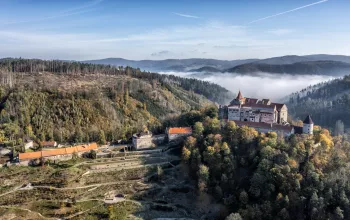
Just as they have Karlštejn in Bohemia, we have Pernštejn in Moravia. It’s hard to find a more photogenic castle!
It is neither a sea nor an Alpine tarn, but who cares? The main thing is it has pleasantly warm water, the fantastic surroundings of the Podyjí National Park and castles and chateaus within easy reach.