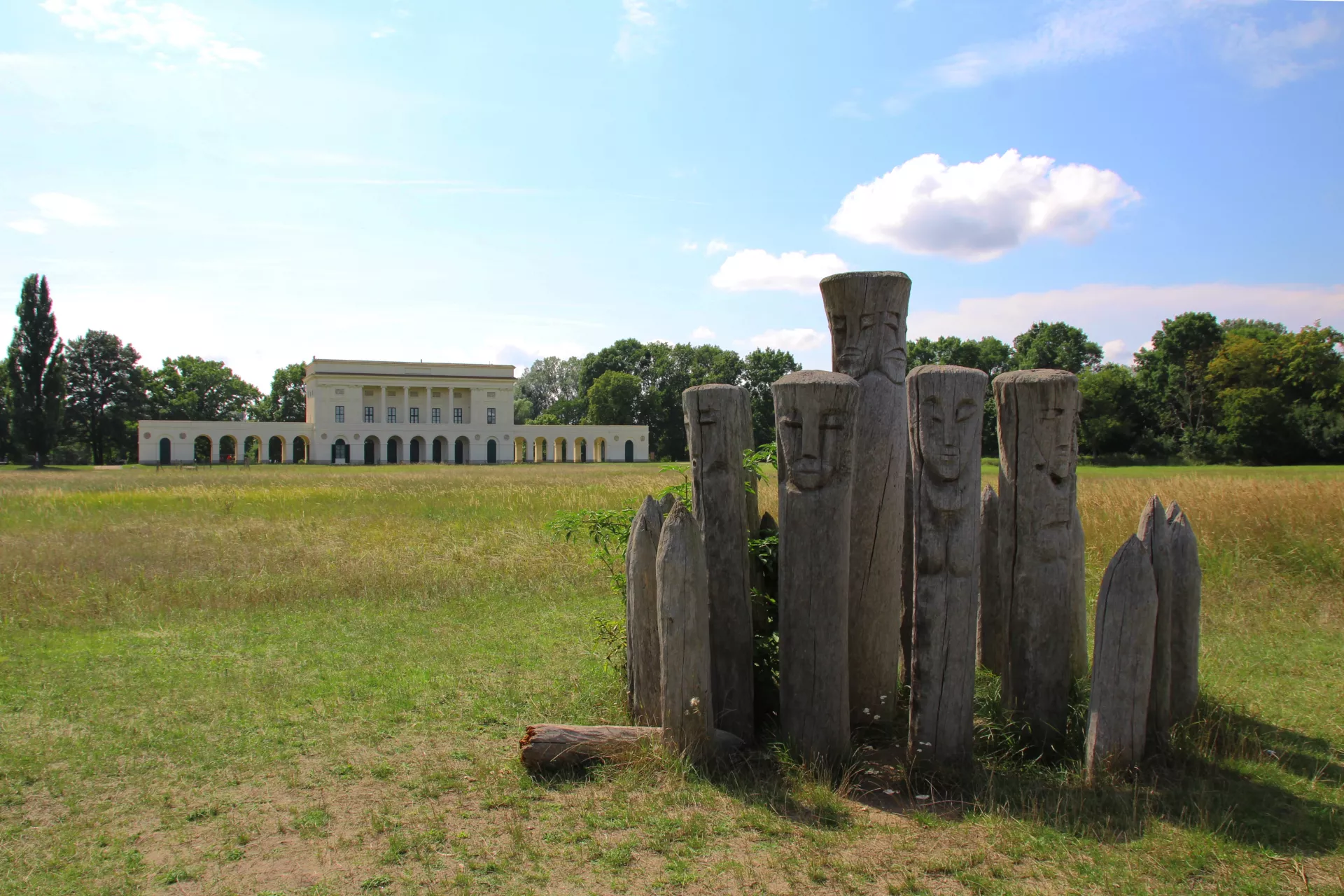
This network of European walking routes traces Slavic roots. Individual paths connect pilgrimage sites and draw pilgrims into stories of European history and culture - particularly the early Middle Ages - in an engaging, active way.
The Cyril and Methodius Route - also a Cultural Route of the Council of Europe - stretches over 5,000 kilometres. It leads to pilgrimage sites in the Czech Republic, Poland, Slovakia, Austria, Italy, Albania, North Macedonia, Turkey, and Greece. You’ll follow paths likely taken in the 9th century by Saints Cyril and Methodius on their journey to Great Moravia, where they introduced Old Church Slavonic - a Slavic language accessible not only to elites but to ordinary people, both in church and public life. A revolutionary step for its time. (You can hear how Old Church Slavonic sounded during a guided tour of the Rajhrad Monastery.) Along the way, you’ll visit monuments reflecting their legacy - from ancient basilicas and monasteries to romantic castles and open-air museums.
The Cyril and Methodius Route in the Czech Republic
Five scenic routes lead to Velehrad: from Levý Hradec near Prague via the Sázava River and Křtiny with the majestic church designed by Jan Blažej Santini; from Svatý Kopeček near Olomouc via Olomouc and Kroměříž; from Jablunkov through the Beskydy Mountains and fairy-tale Pustevny; from Skalka near Trenčín in Slovakia (the country’s oldest pilgrimage site); or from Šaštín via the Great Moravian sites of Kopčany and Mikulčice, where you shouldn’t miss exploring the Slavic hillfort (Slovanské hradiště). Choose a multi-day trek or pick a one-day route — for example, on 5 July, the national holiday celebrating Saints Cyril and Methodius.
Nearly a thousand kilometres of well-marked hiking trails in the Czech Republic commemorate the arrival of Cyril and Methodius from Thessaloniki to Great Moravia. Your journey today will be far easier than theirs. Look for dark blue stickers with a white Cyril and Methodius Route symbol on Czech Tourist Club signposts.