Region
From Brno to the South
The Brno–Mikulov route begins in the very heart of Brno at the Church of St. James, the central hub of the Ways of St. James in South Moravia. Mass is celebrated here daily, and guided tours are available during the season. Beneath the church, you can visit Europe’s second-largest ossuary (tours are in high demand, so booking in advance is recommended). Collect your first stamp from the pilgrim box at the church entrance - or purchase your credencial at the parish office across the street.
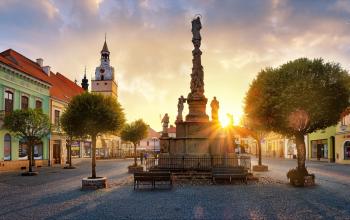
From Brno to the West
The Brno–Třebíč route starts in the heart of Brno at the Church of St. James. Collect your first stamp from the pilgrim box at the entrance or from the parish office opposite. The 88-kilometre journey leads through natural landscapes and historic towns.
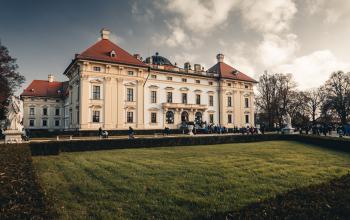
To Brno from the East
The route from Velehrad to Brno follows the Cyril and Methodius Route almost as far as Slavkov u Brna. Like all Ways of St. James, it is marked one-way toward Santiago de Compostela. It measures 93 kilometres, during which you’ll collect plenty of stamps from shell-marked pilgrim points.
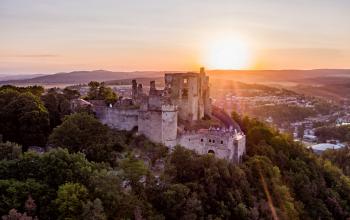
To Brno from the North
The Olomouc–Brno route is pleasantly varied, with plenty of pilgrim stamps to collect along the way. The 95-kilometre route is divided into stages — it’s up to you whether you walk it all.